Cultivating Zen: Garden Therapy for Retirees
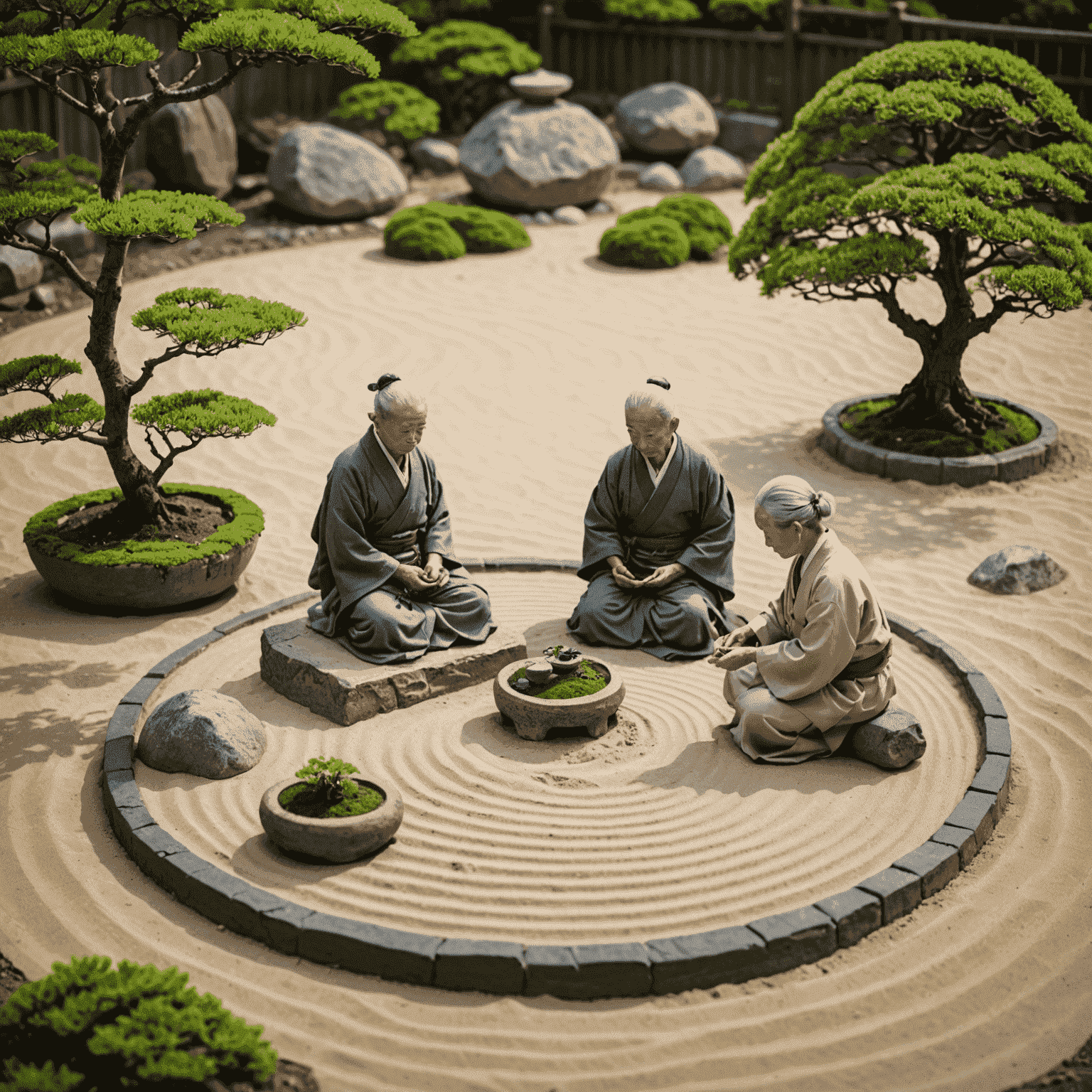
As we embrace the golden years of retirement in Japan, finding activities that nurture both mind and body becomes increasingly important. One such practice that has gained popularity among seniors is the art of Japanese gardening, particularly the creation and maintenance of Zen gardens. This ancient tradition not only connects us to nature but also serves as a form of meditation and stress relief.
The Therapeutic Benefits of Japanese Gardening
Engaging in Japanese gardening offers numerous benefits for retirees:
- Physical exercise: Light gardening activities improve flexibility and strength
- Mental stimulation: Planning and designing gardens keeps the mind sharp
- Stress reduction: The repetitive nature of tasks like raking gravel induces a meditative state
- Connection to nature: Working with plants and natural elements fosters a sense of harmony with the environment
- Sense of accomplishment: Creating and maintaining a beautiful space provides satisfaction and purpose
Creating Your Own Miniature Zen Garden
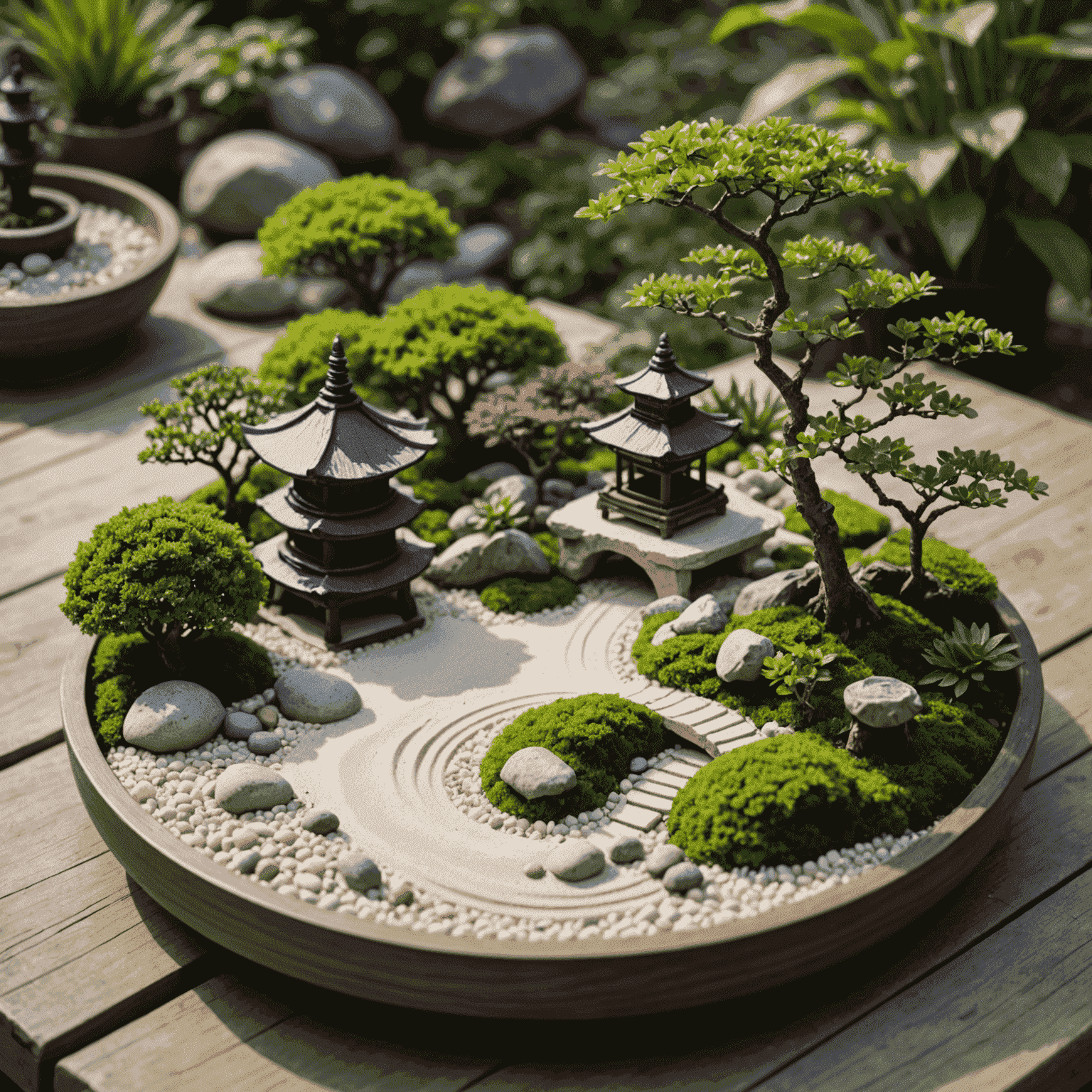
You don't need a large outdoor space to enjoy the benefits of Japanese gardening. Creating a miniature Zen garden is an excellent way to bring this practice into your home, regardless of your living situation. Here's how to get started:
- Choose a container: Select a shallow tray or box, preferably with a dark color to contrast with the sand
- Add sand or gravel: Fill the container with fine, white sand or small pebbles
- Select rocks and stones: Choose a variety of sizes and shapes to create visual interest
- Incorporate plants: Add small, low-maintenance plants like succulents or moss
- Include a rake: Use a small wooden rake or fork to create patterns in the sand
Mindfulness and Stress Relief Through Zen Gardening
The act of tending to your Zen garden, whether full-sized or miniature, can be a powerful tool for mindfulness and stress relief. As you rake the sand or arrange the stones, focus on the present moment and let go of any worries or distractions. This practice can help to:
- Reduce anxiety and depression
- Improve focus and concentration
- Enhance overall well-being and life satisfaction
- Promote better sleep
- Foster a sense of peace and tranquility
Incorporating Zen gardening into your daily routine can be a wonderful way to embrace the concept of "ikigai" - finding purpose and joy in life. As you cultivate your garden, you'll also be nurturing your own well-being and contributing to a more balanced, fulfilling retirement lifestyle.
Conclusion
Japanese gardening, particularly the art of creating and maintaining Zen gardens, offers a multitude of benefits for retirees in Japan. By engaging in this therapeutic practice, you can improve your physical health, mental well-being, and overall quality of life. Whether you have access to an outdoor space or prefer to create a miniature indoor garden, the principles of Zen gardening can help you cultivate a sense of peace, purpose, and connection to nature in your golden years.