Savoring Retirement: Healthy Japanese Cuisine for Seniors
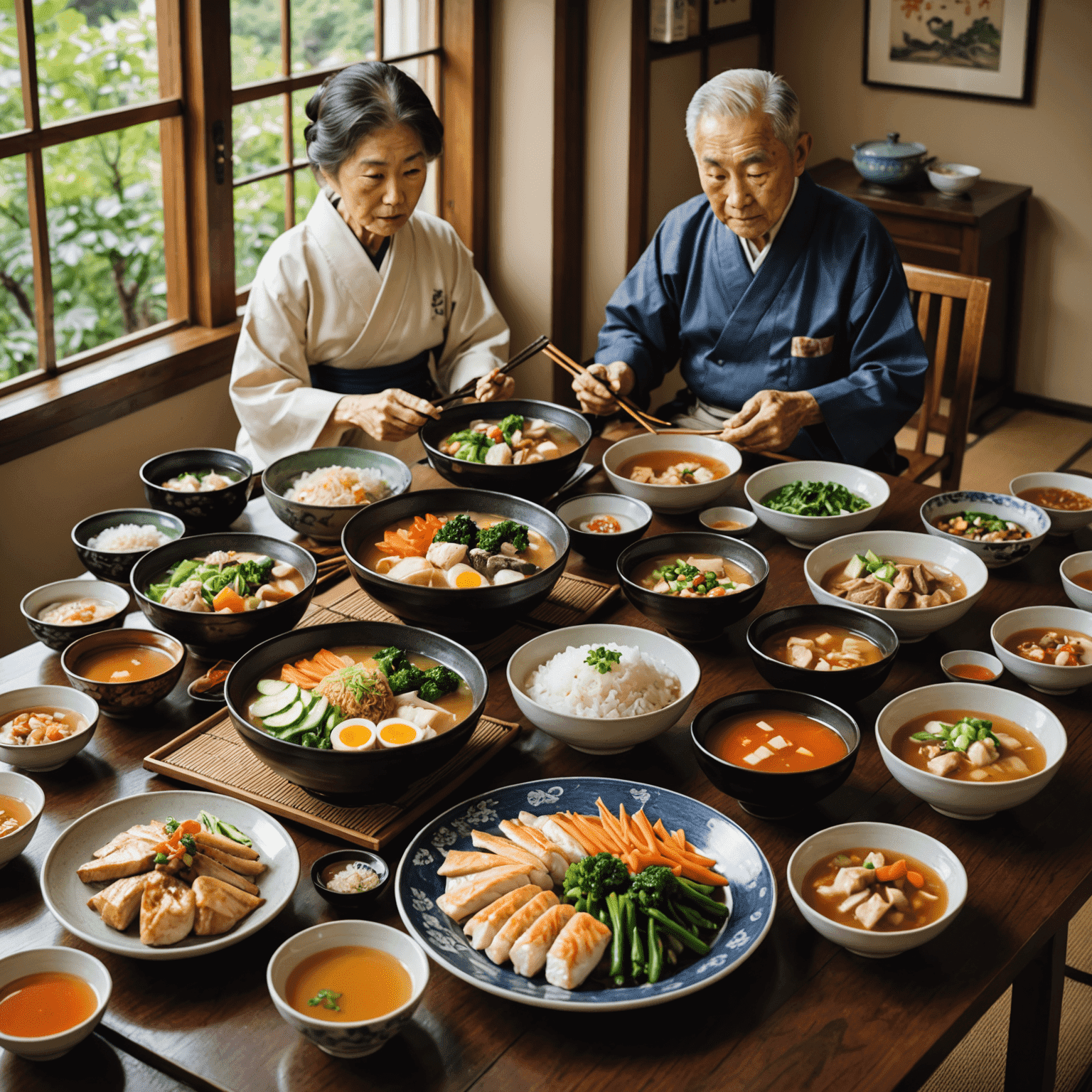
As we embrace the golden years of retirement in Japan, one of the most delightful ways to maintain health and vitality is through the country's renowned cuisine. Japanese food, with its emphasis on fresh ingredients, balanced flavors, and mindful preparation, offers a treasure trove of nutritious options perfectly suited for seniors.
The Benefits of Japanese Cuisine for Seniors
Japanese cuisine is celebrated worldwide for its health benefits, making it an ideal choice for retirees looking to maintain their well-being. Here's why:
- Rich in omega-3 fatty acids from fish, supporting heart and brain health
- Abundance of vegetables providing essential vitamins and minerals
- Low in saturated fats, helping to maintain healthy cholesterol levels
- Emphasis on portion control, aiding in weight management
- Fermented foods like miso and natto supporting gut health
Nutritious Japanese Dishes for Active Seniors
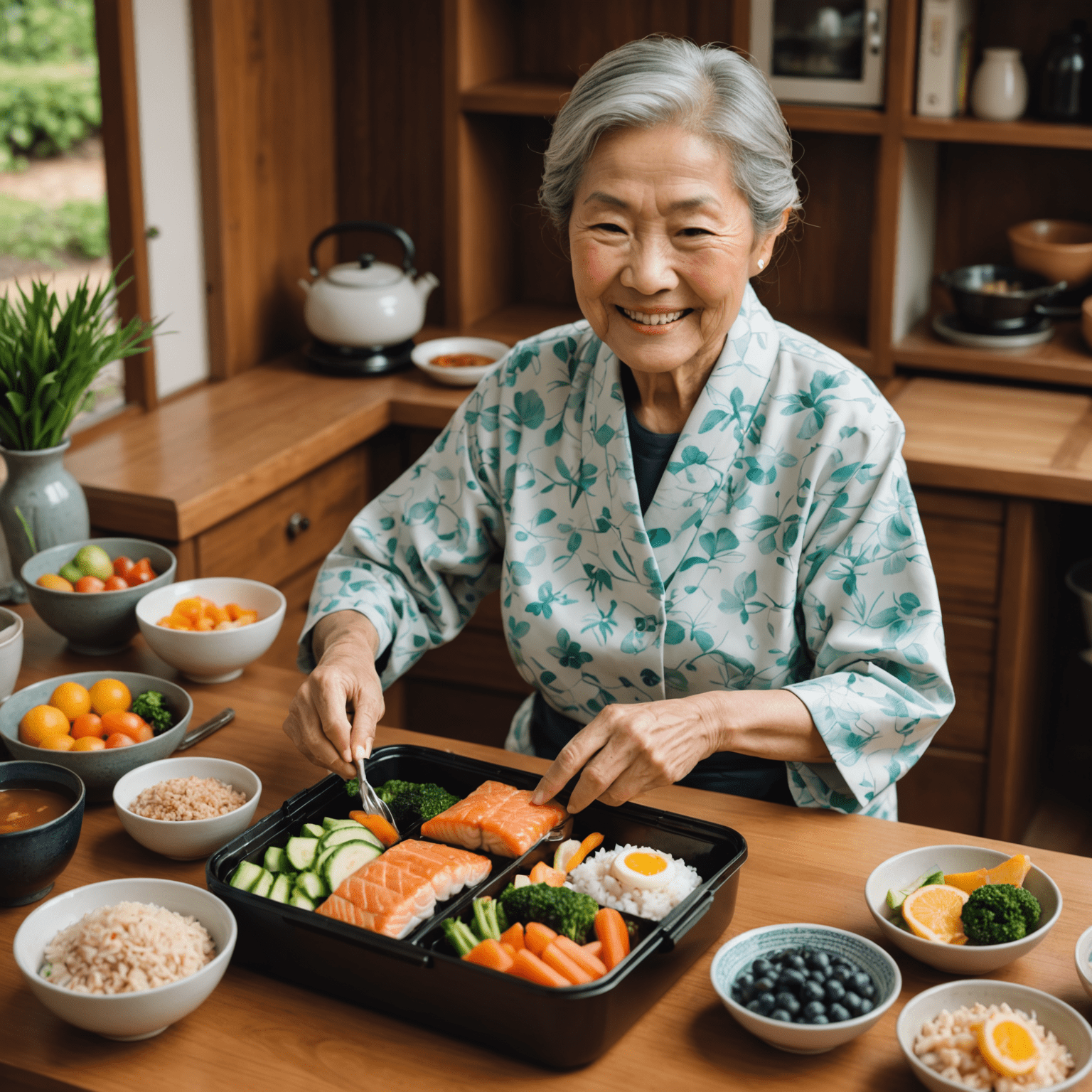
Let's explore some delicious and easy-to-prepare Japanese dishes that are perfect for maintaining health and energy in retirement:
1. Miso Soup
Start your day with a warm bowl of miso soup. Rich in probiotics and minerals, it's gentle on the digestive system and provides a comforting boost to your morning routine.
2. Grilled Fish (Yakizakana)
Incorporate grilled fish like salmon or mackerel into your diet. These fatty fish are excellent sources of protein and omega-3s, crucial for maintaining cognitive function and reducing inflammation.
3. Steamed Vegetables (Yasai no Nimono)
Gently steamed seasonal vegetables retain their nutrients and are easy to chew, making them perfect for seniors. Try a mix of carrots, spinach, and kabocha squash for a colorful and nutritious side dish.
4. Brown Rice (Genmai)
Opt for brown rice instead of white for added fiber and nutrients. It helps maintain steady blood sugar levels and promotes digestive health.
Incorporating Japanese Eating Habits
Beyond the food itself, Japanese eating habits can contribute to a healthier lifestyle:
- Practice "Hara Hachi Bu" - eating until you're 80% full
- Use smaller plates to control portion sizes
- Take time to appreciate the appearance and aroma of your food
- Eat slowly and mindfully, savoring each bite
Embracing the Social Aspect of Dining
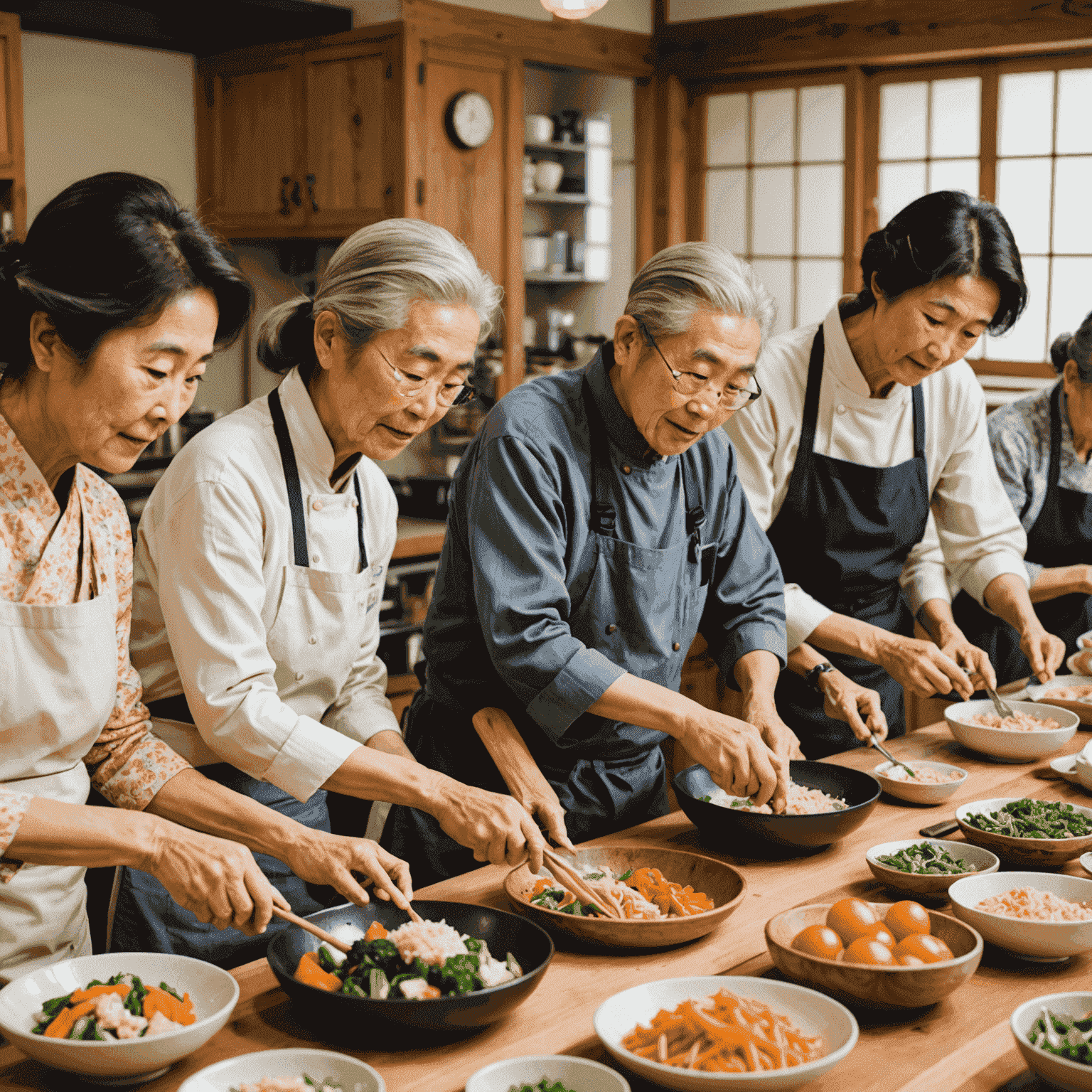
In Japan, meals are often a social event. As retirees, it's important to maintain these connections:
- Join local cooking classes to learn new recipes and meet fellow food enthusiasts
- Organize potluck dinners with friends, sharing healthy Japanese dishes
- Visit local markets together to select fresh, seasonal ingredients
- Enjoy occasional outings to traditional Japanese restaurants to treat yourself
By embracing the principles of Japanese cuisine and dining culture, retirees in Japan can enjoy a flavorful journey towards health and longevity. Remember, it's not just about what you eat, but how you eat it. So take your time, enjoy the company of others, and savor every moment of your culinary adventures in retirement.
Itadakimasu! (Let's eat and be grateful!)